Pioneering India's Green Hydrogen Future
A Centre of Excellence at IIT Madras – advancing green hydrogen through world-class research, indigenous technology, and deep industry collaboration.
Key Focus Areas
Pilot Demonstrations
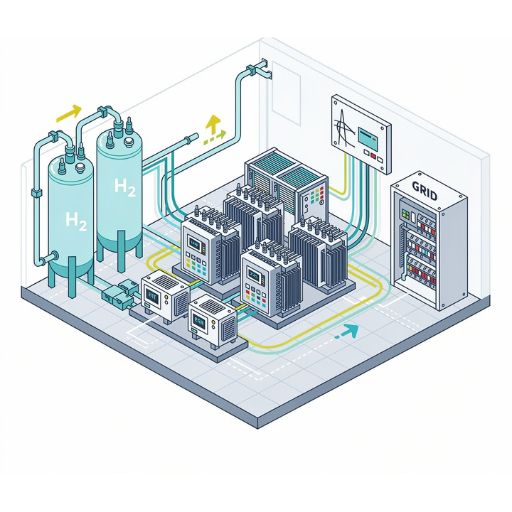
MICROGRID
Sustainable power generation for isolated communities using integrated H2 storage.
MICROGRID
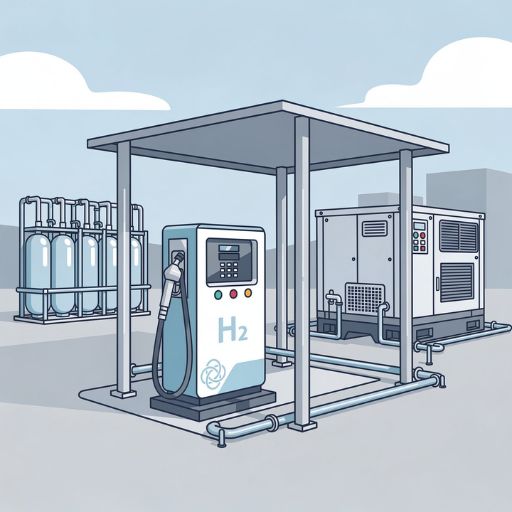
HYDROGEN REFUELLING STATION
Rapid hydrogen refueling infrastructure designed for public and private mobility hubs.
HYDROGEN REFUELLING STATION
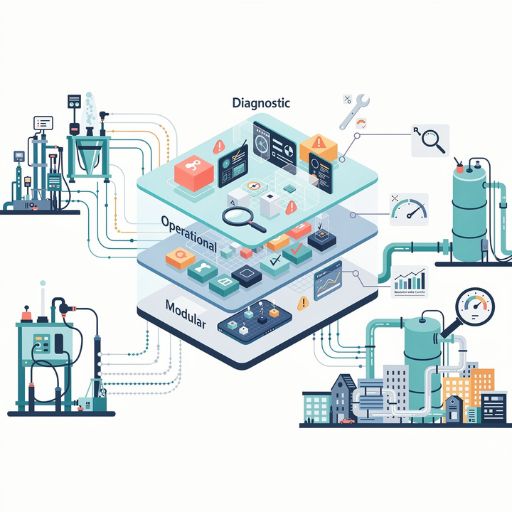
DIGITAL TWIN
Sustainable power generation for isolated communities using integrated H2 storage.

DIGITAL TWIN
Our Strategic Initiatives
Paving the way for ecosystem growth and talent development
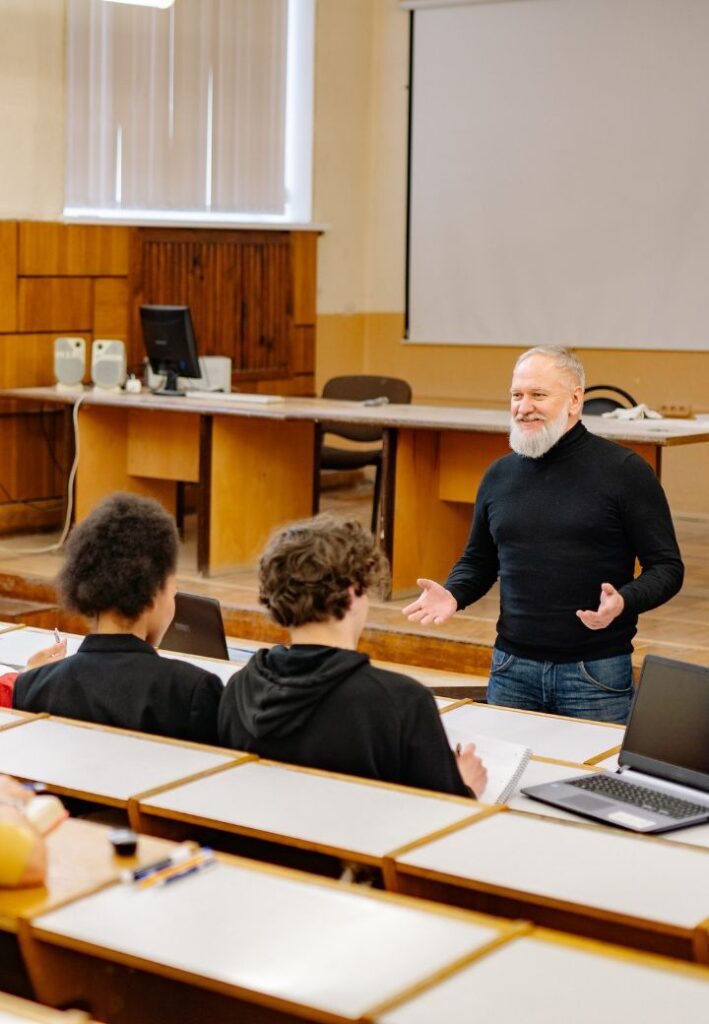
The Hyundai HTWO Skill Centre is committed to training 1,00,000 hydrogen professionals by 2030, supporting India’s National Green Hydrogen Mission. The curriculum targets the entire workforce pyramid, offering specialized modules for ITI holders, engineers, and executive leadership. Training is delivered through a hybrid model, combining prestigious online platforms like NPTEL and Nan Mudhalvan with mandatory hands-on experience at Thaiyur’s hydrogen rigs. Best of all, this CSR-funded initiative provides nationally recognized certifications free of charge.
The Incubation Centre at IIT Madras Thaiyur is a dedicated launchpad for startups aiming to localize the green hydrogen supply chain. Incubatees gain exclusive access to world-class fabrication lines, test rigs, seed grants, and faculty mentorship to move from prototype to product. Starting in mid-2027, the physical space will host innovators focusing on electrolyzers, storage materials, and safety systems. By connecting startups with investor networks, the centre transforms academic hydrogen research into commercially viable Indian enterprises.
The Hyundai HTWO Innovation Centre (HVIC) follows a systematic stepwise strategy to localize 70–80% of hydrogen infrastructure components, focusing on reducing production costs and securing the domestic supply chain. By leveraging the expertise of Indian MSMEs in specialized areas like electrochemical deposition and electronic circuit fabrication, HVIC identifies and indigenizes critical parts such as electrodes, bipolar plates, and power supplies. The process involves identifying patent spaces, conducting state-wide workshops to select up to three MSMEs per component, and providing prototype orders for technical validation. Validated components then undergo a three-level quality check—covering material, cell, and stack-level testing—before being scaled up for commercial use. This robust localization framework not only fosters local innovation but also accelerates India's transition to a self-reliant green hydrogen economy
Get in Touch With Us
Have a question, collaboration idea, or just want to know more about our work in hydrogen energy? Write to us and our team will get back to you.